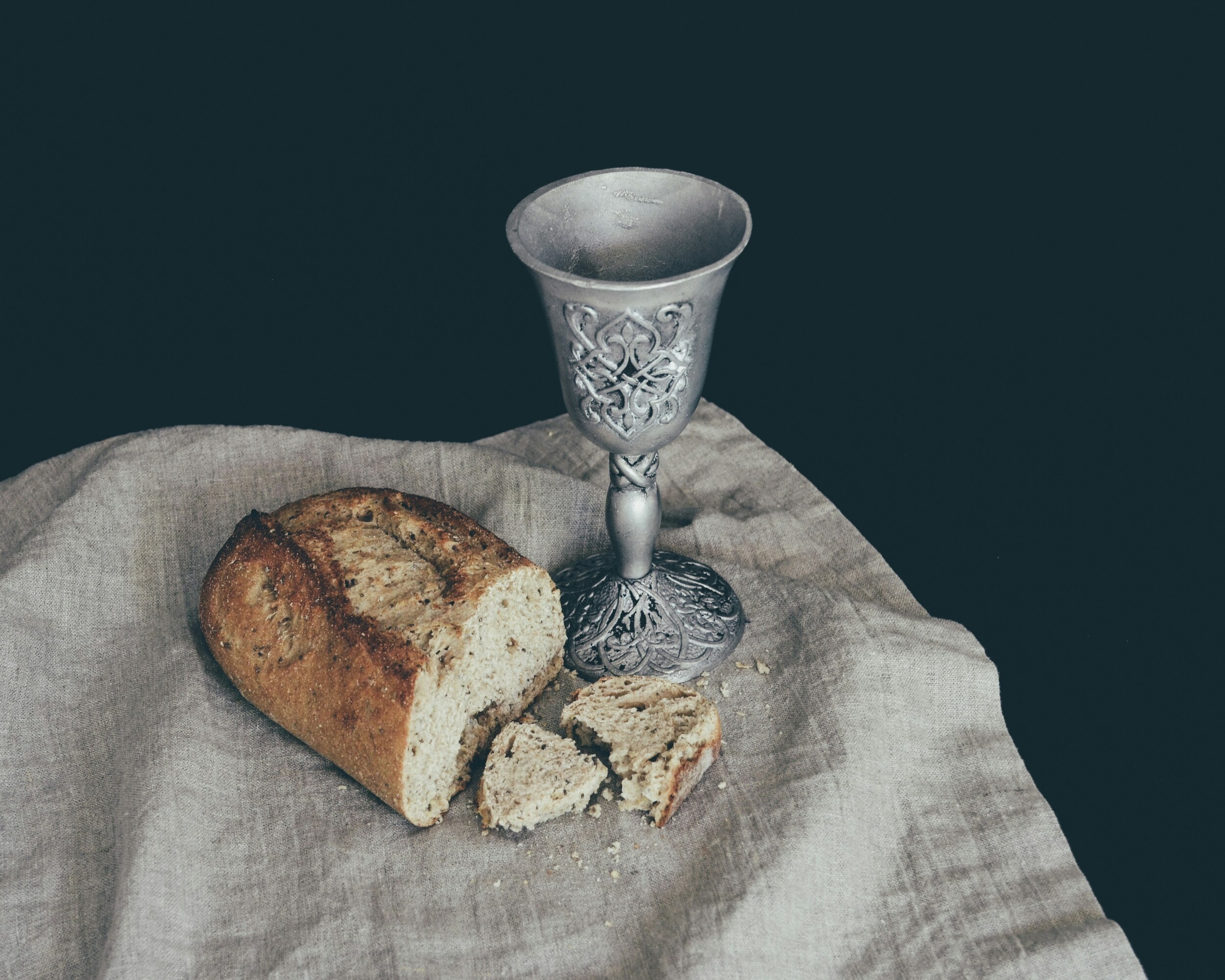
Passover was never just about Egypt. The blood on the doorposts pointed forward to Jesus, the true Lamb of God who doesn't just cover sin for a season — He takes it away completely.
The Passover was never just about Egypt, it was pointing forward to Jesus. In Exodus, a lamb was slain and its blood covered God’s people so judgment would pass over them. But that was temporary. In the New Testament, Jesus Christ is revealed as the true and better Lamb, the One who does not just cover sin, but takes it away completely, as declared in John 1:29. The message is simple and urgent: salvation has always come the same way, not by effort, but by trusting in the blood of a substitute. The question is not how good you are, but whether you are covered.
Frequently asked questions
What is the connection between Passover and Jesus?
Passover was never just about Egypt — it was always pointing forward to Jesus. In Exodus, God's people were enslaved under Pharaoh, and God rescued them through the blood of a lamb. Each Israelite family killed a spotless lamb and put its blood on their doorposts. When God's judgment came through the land, He 'passed over' every home that was covered by the blood. The lamb died so the family could live. But that rescue was temporary — the same families had to do it again, year after year. The New Testament reveals that Jesus is the true and better Lamb. As John the Baptist declares in John 1:29, 'Behold, the Lamb of God, who takes away the sin of the world.' Jesus doesn't just cover sin temporarily — He takes it away completely. Every Passover meal celebrated in Israel for over a thousand years was a shadow pointing to the cross. When Jesus died during Passover week, the symbol met its substance.
What does it mean that Jesus is our Passover Lamb?
It means Jesus is the substitute who dies in our place so that God's judgment passes over us. In the original Passover, recorded in Exodus, God's people were spared from judgment because the blood of a spotless lamb covered their doorposts. The lamb died so the family inside could live. That whole pattern was preparing the world to recognize Jesus when He came. In John 1:29, John the Baptist sees Jesus and says, 'Behold, the Lamb of God, who takes away the sin of the world.' The Old Testament lambs could only cover sin — Jesus actually takes it away. He was sinless, He died in our place during Passover week, and His blood is what covers everyone who trusts in Him. The question Passover puts to every person is not 'How good are you?' but 'Are you covered?' Salvation has always come the same way — not by effort, but by trusting in the blood of a substitute.
Why did God rescue Israel through the blood of a lamb?
Because God was teaching His people — and the watching world — what salvation actually requires. God's people did not begin as slaves in Egypt. In Genesis, Joseph was sold into slavery, but God raised him up to save many lives during a famine and brought his family to Egypt. Over time, a new Pharaoh arose who did not know Joseph, and the Israelites were oppressed, forced into hard labor and crushed under a king who treated them as property. When God came to rescue them, He did not simply break their chains. He taught them that salvation comes through the death of a substitute. A spotless lamb died, its blood was painted on the doorposts, and God's judgment passed over the families inside. That picture was preparing them — and us — for Jesus. The cross is not a different gospel from Passover. It is the same gospel, finally revealed in person. The blood of a Substitute is how God saves His people. It always has been.