



Family
How Do You Pass Faith to Your Kids When Life Won't Slow Down?
How do you pass faith to your kids? The Great Shema (Deuteronomy 6:4-9) calls for a daily rhythm, not a perfect home — and a Savior you trust, not a performance you pull off.
There’s a moment, somewhere around 9:47 on a Tuesday night, when most parents I know quietly wonder if they’re failing at the most important assignment of their lives.
The dishes are still in the sink. One kid is supposed to be in bed and isn’t. Another is asking — for the third time this week — a real, honest question about God, and you have no idea how to answer it. You meant to read with them tonight. You meant to pray. You meant to have one of those meaningful conversations the parenting podcasts promised would shape who they become. And then it’s 9:47, and the day is just gone.
If that’s you, breathe. You’re not failing. You’re just trying to pass faith on to your kids in a world that won’t stop spinning long enough for you to catch your breath. And here’s what I want you to hear from the start: there is a better way than the one you’ve been told. This past Sunday at Christchurch Miami, I got to bring you God’s Word from a deployed field setting on one of the most quoted passages in all of Scripture — the Great Shema in Deuteronomy 6. It’s the same passage Jesus reached for in Mark 12 when a religious leader asked Him to name the single greatest commandment out of hundreds. Why this one? Because everything else in our lives — our families, our work, our peace, our purpose — depends on first answering one question: who actually sits on the throne of your heart?
“Hear, O Israel: The LORD our God, the LORD is one. You shall love the LORD your God with all your heart and with all your soul and with all your might. And these words that I command you today shall be on your heart. You shall teach them diligently to your children, and shall talk of them when you sit in your house, and when you walk by the way, and when you lie down, and when you rise. You shall bind them as a sign on your hand, and they shall be as frontlets between your eyes. You shall write them on the doorposts of your house and on your gates.”
Deuteronomy 6:4-9 (ESV)
Before You Pass Faith On, Ask Who’s on the Throne
Look at how the Shema opens. It makes a claim before it issues a command: “The LORD our God, the LORD is one.” Before God tells you to love Him, He tells you who He is — the one true God, with no rivals, on a throne that doesn’t share.
That sounds obvious until you ask whether your daily life agrees. The reformer John Calvin said the human heart is “an idol factory.” We don’t usually carve statues anymore. We do something subtler and a lot more dangerous — we take the good gifts of God and quietly promote them into the place only God is meant to occupy. A good marriage. A child’s success. A career, a body, a political tribe, even a fear — each one a good gift, and the idol-factory heart is happy to set it on the throne. And the moment a good thing becomes an ultimate thing, it has become an idol. Your life falls out of order, and you can’t even tell where the slope started.
You see, this is where parenting begins, long before bedtime routines: you can’t pass on what you don’t have. If God is one good thing among many in your life, that’s what you’ll hand down. If God is the One on whom every other good thing depends, that’s what you’ll hand down. Before the Shema gets to your children, it gets to you. So that’s the first honest question — not “am I doing enough?” but “who’s actually on the throne?”
Love God with Everything — Heart, Soul, Mind, and Strength
The next move in the Shema is the famous one: “You shall love the LORD your God with all your heart and with all your soul and with all your might.” When Jesus quotes this in Mark 12, He stretches “might” out to “mind and strength” — not to add a new requirement, but to make sure no part of you gets left out.
Heart. Soul. Mind. Strength. That’s the whole you. Not a Sunday slice. Not the polished version that finally shows up to the worship service after you’ve apologized to your spouse in the car. Much of the Old Testament is God grieving over a people who kept trying to hand Him a slice — “You worship me with your lips, but your hearts are far from me.” Revelation pictures Jesus spitting out a church that had gone lukewarm. Wholehearted devotion has always been the standard, and honestly, most of us have always struggled to find it.
I’m not telling you that to pile on guilt — that’s the exact posture the gospel preaches against. I’m telling you because if you don’t see how much God wants your whole life, you’ll always wonder why He didn’t seem to do more with the slice you handed over. Loving God with everything isn’t a religious slogan. It’s the reordering that finally makes everything else — marriage, parenting, work, money, conflict — actually work.
When Faith Becomes a Daily Rhythm, Not a Sunday Event
Now here’s the move in the Shema that wrecks me every time. After telling parents to keep God’s words on their own hearts, the passage gets specific about the kids:
“You shall teach them diligently to your children, and shall talk of them when you sit in your house, and when you walk by the way, and when you lie down, and when you rise.”
Sit. Walk. Lie down. Rise. That covers everything — every minute of an ordinary day. The Shema is not commanding a family devotion time. It’s commanding a daily rhythm where faith gets woven into ordinary life.
I remember my first attempt at a family devotion. Four kids at the time. I pulled them around the table and pictured children listening attentively, taking notes, asking thoughtful questions. What actually happened: one kid was upside-down on a chair, another was crying about what was on her plate, the dog was barking at a squirrel through the window, and the baby was chewing the corner of my Bible and drooling everywhere. It was a disaster. And I almost gave up before I learned the lesson the Shema was trying to teach me all along: faith at home isn’t an event you perform; it’s a rhythm you live.
Small rhythms beat big events
Heidi, more than anyone, taught me this. When she drives the kids to school, they have a little ritual — they say together that they are children of God, set apart by Him for good works He has already prepared for them. It takes thirty seconds, and they’ve been saying it for years. She’ll tuck a Scripture verse into a pocket the day of a big game, or pray with the kids before a hard conversation — not because the moment was scheduled, but because it showed up. None of it looks like a viral parenting reel. All of it is the Shema.
When you blow it, apologize in front of them
And here’s the other thing I’ve had to learn. When the Shema says “and when you rise,” it doesn’t mean “and only on the days you wake up patient.” Some of the most important discipleship moments in our home haven’t been the planned ones — they’ve been the times I lost my temper and had to apologize, publicly, in front of my kids. Letting them watch me confess and ask forgiveness, from God and from Heidi, has taught them more about the gospel than any lesson I ever prepared. You aren’t trying to be a perfect parent. You’re trying to follow a perfect Savior in front of your kids. That’s the rhythm. That’s the Shema.
What This Actually Does for Your Kids
Researchers and pastors keep landing on the same thing, and the Bible was already saying it 3,000 years ago: kids who grow up in a home where faith is a daily rhythm — not just a Sunday event — are different.
They’re more resilient when life gets hard. They cope better with anxiety, because they’ve got an anchor outside themselves. They carry a clearer sense of right and wrong for the complicated moral terrain their generation is being handed. And they’re less likely to outsource their identity to peers, screens, or performance — because they already know whose they are. Let’s name the other side, too. Roughly a quarter of young people today report serious struggles with meaning, value, and purpose. Those trends aren’t correlated with too much Bible at home. They’re correlated with the opposite — a vacuum where formation used to live. The Shema is, among other things, a gift to your children. Not a burden you lay on them. A gift you give them by living it in front of them.
When You Realize You Can’t Do This Alone
If you’re reading this and feeling the weight of it — I cannot be the parent the Shema requires — good. That feeling is exactly where the gospel comes to meet you. The Shema is not a moral self-improvement plan. The Shema is what Jesus came to fulfill.
Now, here’s the twist. I’d love to be the parent who gets it right — whose whole heart and soul and mind and strength belong to God without a gap. But if I’m honest, that’s not me, and most likely it’s not you. We’re far more like Israel: unable, in our own strength, to love God the way He deserves. And then our champion steps forward. Christ lived the wholehearted love of God we never could — loving the Father with all His heart, soul, mind, and strength through temptation, betrayal, sleeplessness, and a cross. He died the death we owed for every time we slid a good gift onto God’s throne. And three days later He rose, and He sent His Spirit to do for us the one thing the law never could.
Listen to what the prophets promised about that very moment: “I will be your God, and you will be my people. I will write my law on your hearts.” Not on stone tablets anymore. Not even on doorposts and gates. Inside. That’s the gospel of the Great Shema — Christ writes God’s love into your heart from the inside out, and then, over months and years and dinner tables and bedtime prayers, that love spills out into your home, your marriage, your kids. Not because you tried harder. Because you trusted a better Savior. He doesn’t only save you; He sustains you — and the slow, ordinary work of forming the next generation, too.
Where This Leaves Us
So here’s where I’d leave you tonight, if we were sitting across from each other at your dinner table.
You don’t have to be a perfect parent. You don’t have to launch a family devotion empire by Friday. You don’t have to get every part of your own life fixed before you start passing faith on to the people God has handed you. You just have to begin a rhythm. Pick one moment of the day — when you sit, walk, lie down, or rise — and bring God into it on purpose. Maybe it’s the verse on the way to school. Maybe it’s a one-sentence prayer before dinner. Maybe it’s opening the Bible at bedtime, even if the baby drools on it. Maybe it’s apologizing in front of your kids the next time you blow it. Show up the same imperfect way Christ shows up for you. And then keep going — because the Shema isn’t a sprint. It’s the legacy that lasts.
Joshua said it plainly at the end of his life: “as for me and my house, we will serve the LORD” (Joshua 24:15). Not a perfect house. A surrendered one. If anxiety about your family is part of what keeps you up at night, you might also find encouragement in what Jesus said about worry — the same Father who feeds the birds has not forgotten your home.
Common Questions About the Great Shema and Family Faith
How do you pass faith to your kids according to the Bible? The Great Shema in Deuteronomy 6:4-9 gives the pattern: teach God’s words diligently to your children and talk of them “when you sit in your house, and when you walk by the way, and when you lie down, and when you rise.” That covers the whole day. Passing faith on isn’t a scheduled event you perform; it’s a daily rhythm you live. You bring God into ordinary moments — the car, the dinner table, bedtime — not because you’re trying harder, but because He’s already on the throne of your heart.
What is the Great Shema in Deuteronomy 6? The Great Shema is the name for Deuteronomy 6:4-9, beginning, “Hear, O Israel: The LORD our God, the LORD is one.” “Shema” is the Hebrew word for “Hear.” Jewish families have prayed it daily for thousands of years, and Jesus quoted it in Mark 12 as the greatest commandment. It opens with a claim about who God is before it issues a single command — because everything downstream in your life depends on who sits on the throne of your heart.
Why did Jesus call the Shema the greatest commandment? A religious leader asked Jesus to name the greatest commandment out of hundreds, and Jesus reached straight for the Shema — “love the Lord your God with all your heart and with all your soul and with all your mind and with all your strength.” He chose it because every other commandment flows from this one. Get the first commandment right and the rest fall into order. Get it wrong and nothing else in life lines up.
What does it mean to love God with all your heart, soul, mind, and strength? It means the whole you — not a Sunday slice. Heart is your affections and loyalties, soul is your life and breath, mind is your thinking, and strength is your body and effort. Jesus expanded the original “might” in Deuteronomy 6 to “mind and strength” so no part of you gets left out. God doesn’t want the polished version of you. He wants all of you.
How do I pass faith to my kids when I don’t feel qualified? Start with what you have. You don’t need a seminary degree to read a verse out loud or pray over dinner. You can’t pass on what you don’t have — so the Shema gets to you before it gets to your children. The good news is that you’re not the one doing the saving. Christ writes God’s love on your heart from the inside out, and the Holy Spirit teaches you and your kids together as you go. Faithful presence beats perfect performance.
What if I’ve failed as a parent — is it too late? It isn’t. The gospel of the Shema is that Christ lived the wholehearted love of God you never could, and His Spirit writes God’s word on hearts at any age, in any home. Some of the most powerful discipleship moments happen when you blow it and apologize in front of your kids — letting them watch you confess teaches them more about grace than any planned lesson. You’re not trying to be a perfect parent. You’re trying to follow a perfect Savior in front of your kids.
Does a daily faith rhythm at home actually make a difference for kids? Yes. Kids who grow up in a home where faith is a daily rhythm tend to be more resilient, cope better with anxiety, and carry a clearer sense of right and wrong. They’re less likely to outsource their identity to peers, screens, or performance, because they already know whose they are. The Shema was saying it 3,000 years ago: ordinary, consistent presence is a gift you give your children, not a burden you put on them.
Questions for Reflection
- When you look honestly at your daily life, what good gift might you have quietly promoted into the place only God is meant to occupy?
- Are you handing God your whole self, or just a Sunday slice — and what would it look like to give Him the rest?
- What’s one ordinary moment in your day — sitting, walking, lying down, or rising — where you could begin a thirty-second faith rhythm this week?
- When was the last time your kids watched you confess and ask forgiveness, and how might that teach them the gospel?
You don’t have to walk this road alone, and you weren’t meant to. The rhythm I’m describing is far easier to sustain alongside other families trying to do the same thing. If you’re ready to take a next step, the most practical move I’d recommend is joining a community group — we’d love to help you find one. And you’re always welcome to join us this Sunday at 11 AM at 8485 SW 112th St, Miami. You can explore more sermons and reflections on our blog anytime.
Credits
Adapted from Pastor James Drake’s May 17, 2026 sermon, “How Do You Pass Faith to Your Kids?”
By Pastor James Drake, Lead Pastor, Christchurch Miami.
Christchurch Miami is a Presbyterian Church in America (PCA) congregation in Miami, Florida, led by Pastor James Drake. Services are held Sundays at 11 AM at 8485 SW 112th St, Miami, FL 33156.
Scripture quotations are from the ESV® Bible (The Holy Bible, English Standard Version®), copyright © 2001 by Crossway, a publishing ministry of Good News Publishers. Used by permission. All rights reserved.
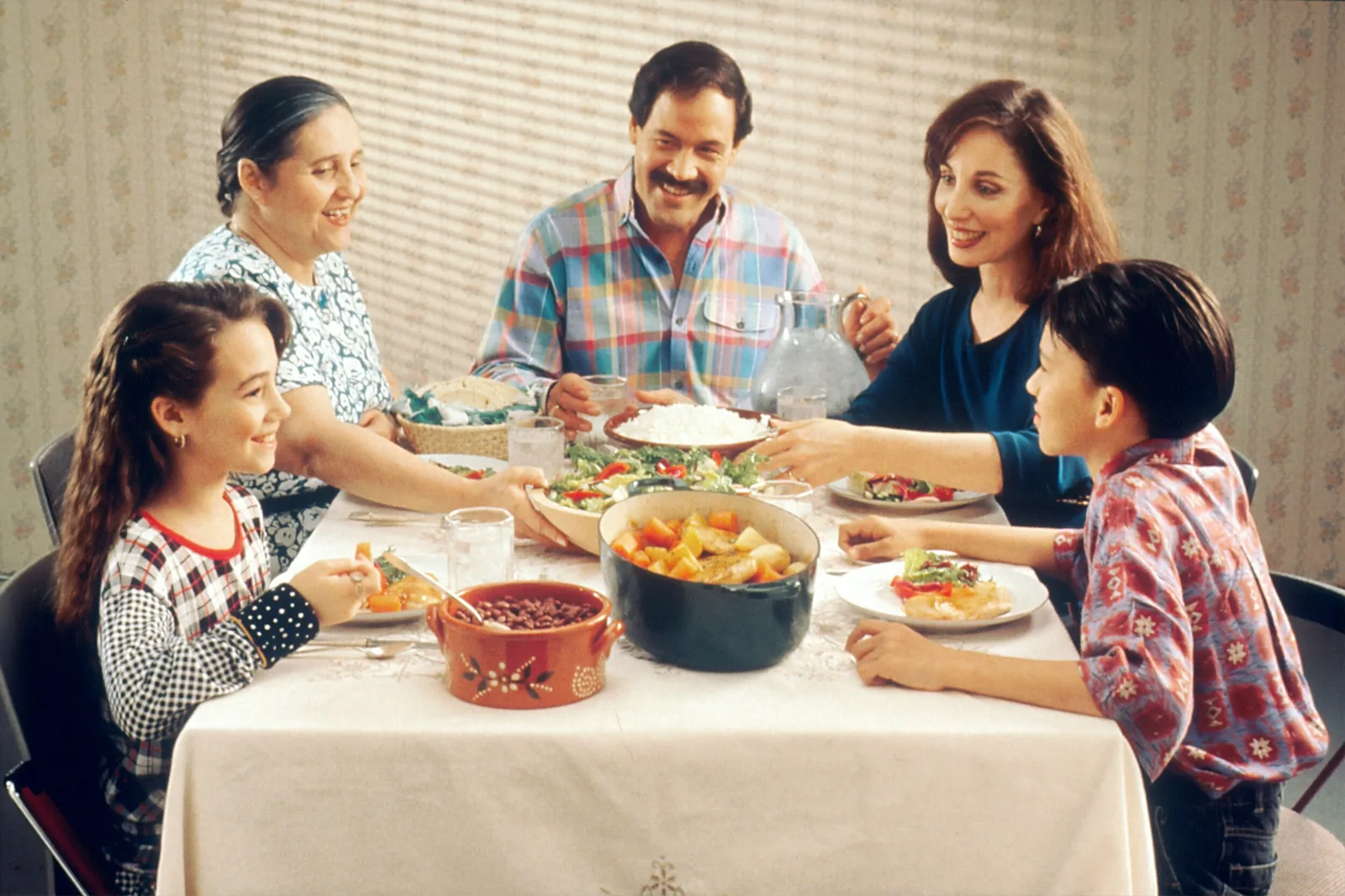
Hero photo by National Cancer Institute on Unsplash.
Frequently asked questions
How do you pass faith to your kids according to the Bible?
What is the Great Shema in Deuteronomy 6?
Why did Jesus call the Shema the greatest commandment?
What does it mean to love God with all your heart, soul, mind, and strength?
How do I pass faith to my kids when I don''t feel qualified?
What if I''ve failed as a parent — is it too late to pass on faith?
Does a daily faith rhythm at home actually make a difference for kids?
Pastoral writing from the team at Christchurch Miami — a faith family on mission in Kendall, Miami.